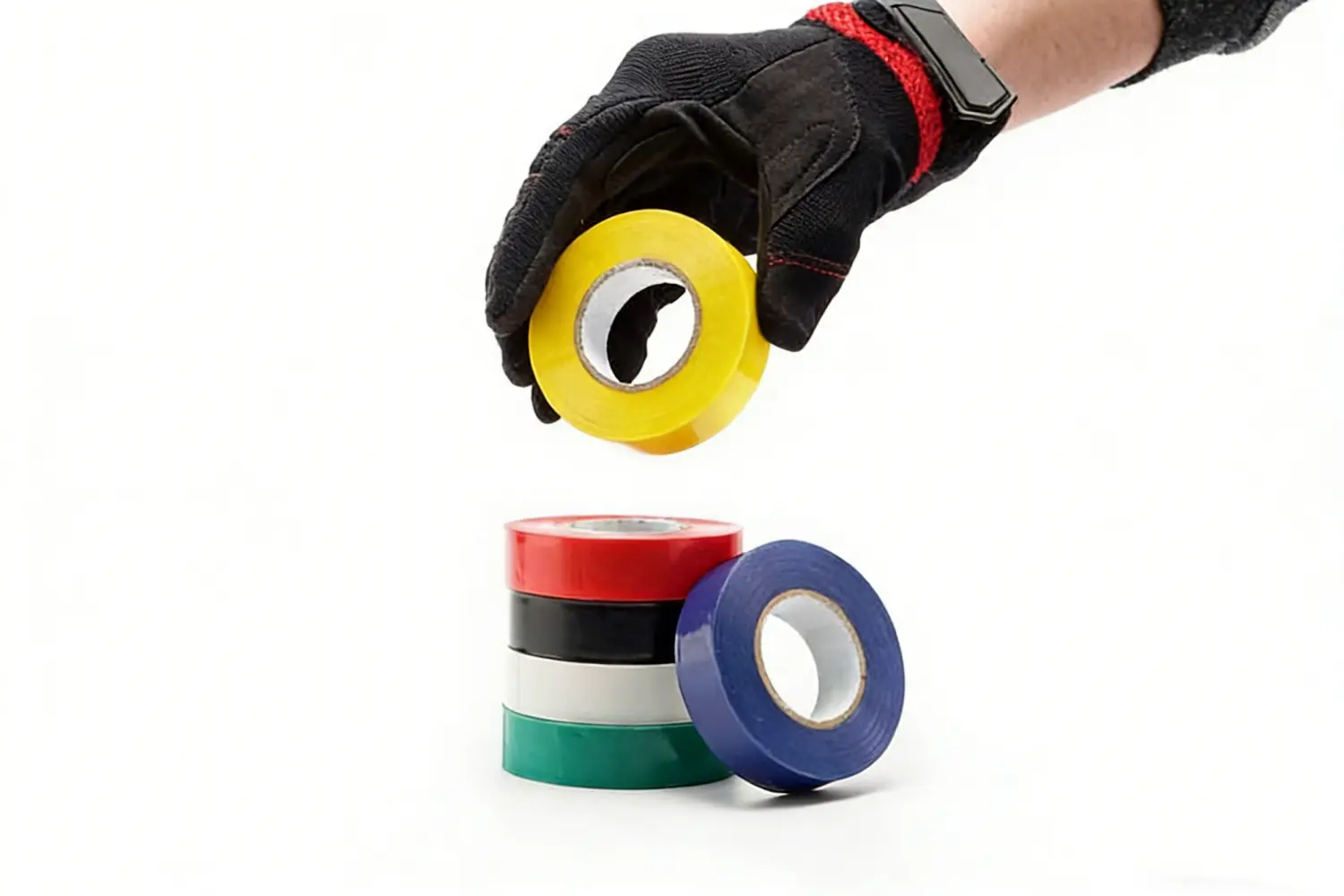
Electrical insulation tape is a specialized tape used to insulate and protect electrical wires, cables, and other conductors. It prevents accidental contact, short circuits, and electrical hazards, making it essential for both professional and DIY electrical applications.
Insulation tapes come in various materials, thicknesses, and colors, serving specific functions such as color coding, high-temperature resistance, and waterproof sealing. In this guide, we will explore the key properties, uses, and safety considerations of electrical tape, focusing on PVC insulation tape and self-fusing rubber tape.
What Is Electrical Insulation Tape Made Of ?
A high-quality electrical insulation tape should meet the following requirements:
- Non-conductive**: It should effectively insulate electrical components, preventing electric current from passing through.
- Heat-resistant and flame-retardant**: It must withstand temperatures typically up to 80°C (176°F) for PVC tapes and much higher for self-fusing rubber tapes.
- Flexible and easy to apply**: It should conform to irregular surfaces and allow secure wrapping in tight spaces.
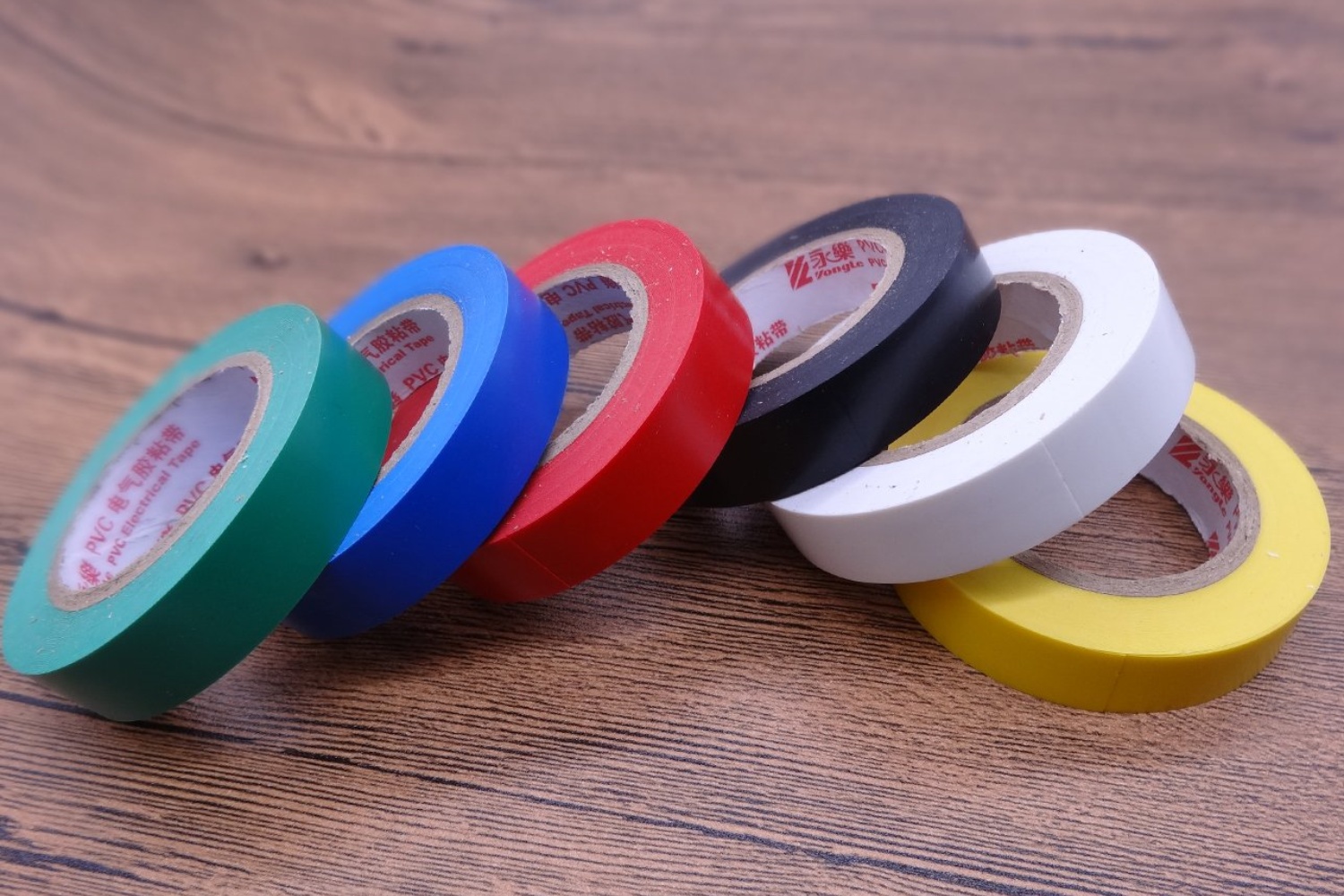
The most common materials used in insulation tapes are:
- PVC (Polyvinyl Chloride): The most widely used electrical tape, offering good insulation, flexibility, and flame resistance. Suitable for low- to medium-voltage applications.
- Self-fusing rubber (silicone or ethylene propylene rubber-based): This tape bonds to itself without adhesive, providing superior dielectric strength, moisture resistance, and high-temperature endurance. Ideal for high-voltage applications, outdoor installations, and harsh environments.
Does Electrical Tape Conduct Electricity ?
Properly rated and applied electrical tape should not conduct electricity. PVC insulation tape provides adequate protection for general wiring tasks, while self-fusing rubber tape is highly effective for high-voltage insulation and moisture sealing. However, no material is entirely non-conductive under extreme conditions—always follow safety guidelines when working with electrical systems.
How to Use Electrical Insulation Tape Correctly
Electrical tape is commonly used for:
- Repairing minor wire insulation damage
- Bundling cables and wires
- Providing additional insulation over wire connectors
- Sealing outdoor electrical connections (self-fusing rubber tape)
However, electrical tape should NOT be used for major wire repairs or as the sole insulation method in junction boxes, light switches, or high-load circuits. Instead, use it along with wire connectors or heat shrink tubing for a safer and more secure connection.
Is Electrical Tape Fireproof ?
Most high-quality PVC insulation tapes are self-extinguishing, meaning they will resist flames to a certain extent. However, if exposed to extreme heat beyond their rated temperature, they can degrade and lose their insulating properties. Self-fusing rubber tapes, on the other hand, provide much higher heat resistance and moisture protection, making them ideal for high-temperature environments.
Alternatives to Electrical Tape
If electrical tape is not suitable for your application, consider these alternatives:
- Wire Connectors (Wire Nuts): Ideal for securely joining wires in junction boxes.
- Heat Shrink Tubing: Offers a durable, long-lasting insulation solution, especially for industrial applications.
- Liquid Electrical Tape: A brush-on insulation material that provides waterproof protection for exposed wires.
Other adhesive tapes, such as duct tape or masking tape, are NOT suitable substitutes for electrical insulation tape, as they lack the necessary electrical and thermal insulation properties.
Choosing the Right Electrical Tape
For everyday electrical insulation, PVC tape is a reliable choice due to its affordability and flexibility. However, for high-voltage applications, moisture sealing, and extreme temperature conditions, self-fusing rubber tape is the superior option. Always check the voltage and temperature ratings of your tape before use to ensure safety and effectiveness.
By selecting the right insulation tape for the job, you can enhance electrical safety, prevent hazards, and ensure long-term durability in your installations.