
High Performance PVC Electrical Tape For Professional Insulation And Durable Wire Protection Solutions
High-quality PVC electrical tape serves as a critical barrier in modern electrical infrastructure, providing essential insulation against high voltages and environmental stressors. This comprehensive guide explores the unique chemical composition and physical properties that make polyvinyl chloride the preferred choice for professional electricians worldwide. From superior dielectric strength and flame retardancy to exceptional stretchability and weather resistance, understanding these technical specifications ensures maximum safety and longevity in wiring projects. Discover how to identify premium-grade adhesive materials, interpret international safety standards like UL 510, and implement effective color-coding strategies for complex circuitry. By mastering the selection and application of professional PVC insulation tape, engineers can prevent electrical failures and ensure robust performance in both residential and industrial environments.
The Technical Superiority Of Polyvinyl Chloride
Polyvinyl Chloride (PVC) has dominated the electrical insulation market for decades. Unlike standard adhesive tapes used in office environments, electrical-grade PVC is formulated with specific plasticizers. These additives ensure that the film remains pliable across a wide temperature spectrum.
In professional environments, electrical wires are rarely static; they generate heat during peak loads and cool down during idle periods. PVC tape accommodates this thermal cycling without cracking or losing its grip, providing a “living” seal that adapts to the physical changes of the conductors.
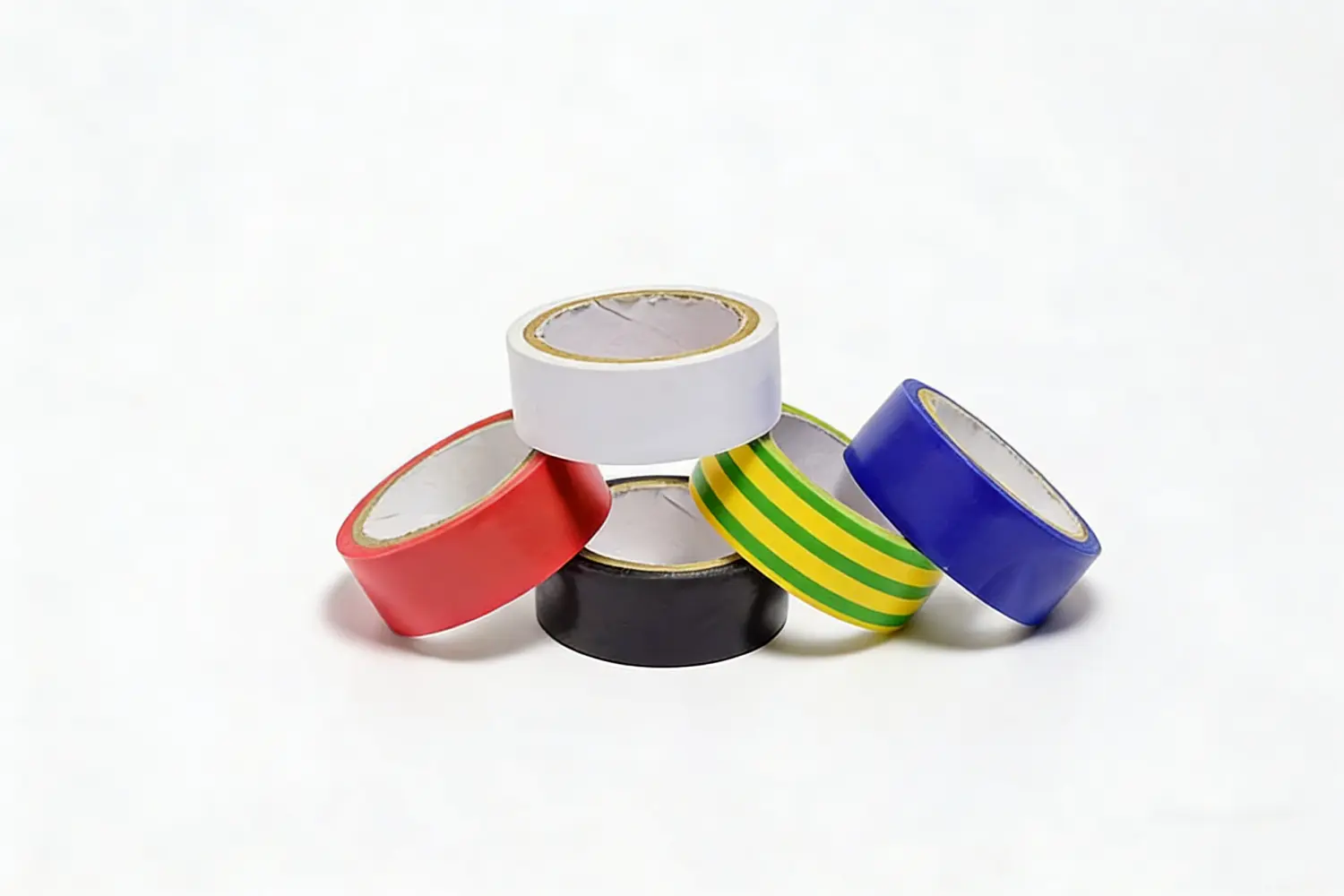
Key Performance Metrics For Safety
Evaluating tape for industrial procurement requires objective benchmarks. Not all PVC is created equal; the adhesive-to-film ratio and film density dictate long-term reliability in the field.
| PROPERTY | ECONOMY GRADE | INDUSTRIAL GRADE |
|---|---|---|
| Elongation Rate | 150% | 250% + |
| Max Temp Rating | 60°C | 105°C |
| Min Temp Rating | 0°C | -18°C |
| UV & Weather Resistance | Poor | Excellent |
Essential Quality Testing Procedures
Quality control in manufacturing involves rigorous stress testing. One critical indicator is the “telescoping” test. When a roll is improperly wound or uses low-grade plasticizers, the internal pressure causes the center to push outward. Professional-grade rolls maintain a flat profile, ensuring consistent tension.
Expert Tip: Test the “Unwind Force.” A high-quality tape should pull off the roll with consistent resistance. Any jerking or sticking indicates uneven adhesive coating, which will compromise the integrity of the electrical seal.
Implementing Global Color Standards
Standardized color coding reduces the risk of human error during maintenance and troubleshooting of complex circuits.
Red
Phase A
Blue
Phase C
Green
Grounding
Yellow
Phase B
Professional Application Mastery
Achieving a permanent, moisture-tight seal requires more than just wrapping. Follow these three cardinal rules used by master electricians:
