Cable Lugs and Connectors
Cable Lugs and Connectors are essential components used in electrical systems to provide a secure and reliable connection between cables and other electrical equipment or systems. These components are designed to ensure safe transmission of electrical power by preventing loose connections, which can lead to power loss, short circuits, or even fire hazards.
Application
Power Distribution Systems: Connecting power cables to transformers, circuit breakers, and other electrical components.
Electrical Equipment: Ensuring secure connections in machinery, electrical panels, and control systems.
Renewable Energy Systems: Used in solar panel installations and wind turbine systems.
Automotive and Industrial Applications: Connecting wires in vehicles and heavy machinery.
Product Material
Cable lugs and connectors are typically made from copper, aluminum, or other conductive materials that offer low resistance and high durability. Copper is commonly used for its excellent conductivity, while aluminum is lightweight and cost-effective.
Product Feature
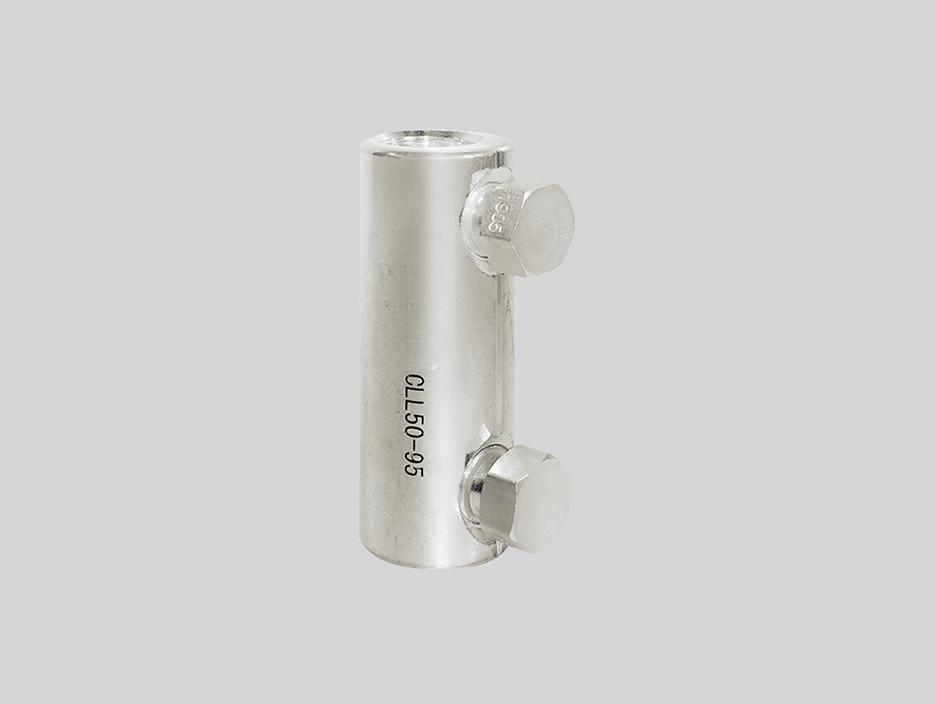
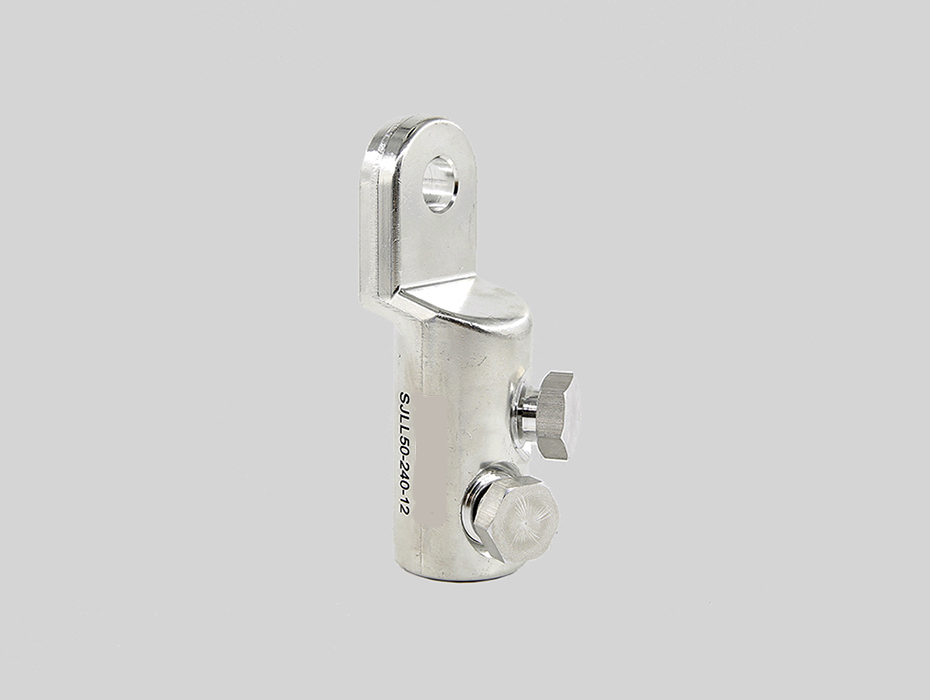
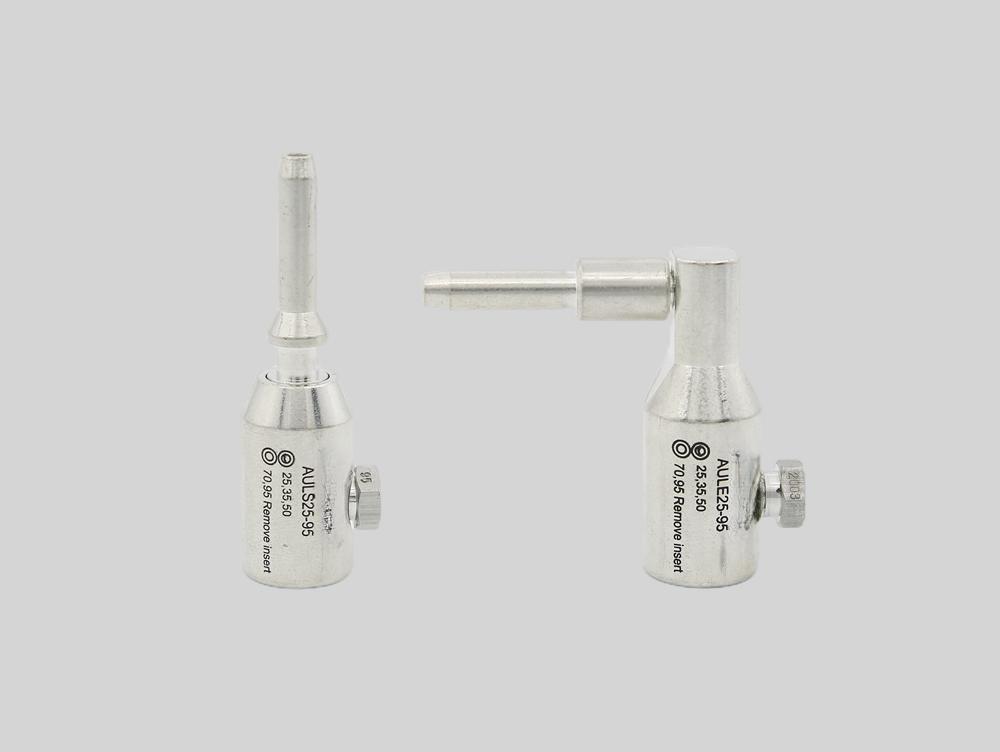
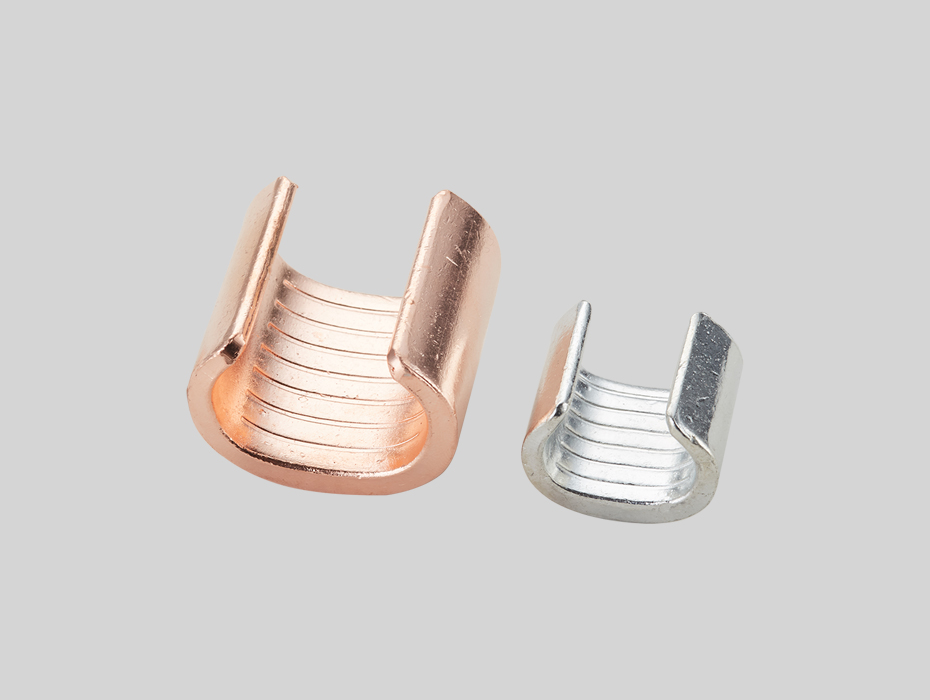
Types: There are various types of cable lugs and connectors, including compression lugs, screw-type lugs, insulated connectors, and non-insulated connectors, each serving different purposes depending on the application.
Compression Lugs: These require a crimping tool to attach the lug to the wire, providing a strong and secure connection.
Screw-Type Lugs: These use screws to secure the cable into the lug, offering a simple and quick connection method.
Insulated Connectors: These have insulation to protect against electrical shorts and to provide extra safety.
Non-Insulated Connectors: These are typically used where insulation is not necessary or already provided by other means.
Sizes and Ratings: Cable lugs and connectors are available in various sizes to accommodate different wire gauges and voltage ratings. Choosing the right size is crucial for maintaining electrical efficiency and safety.