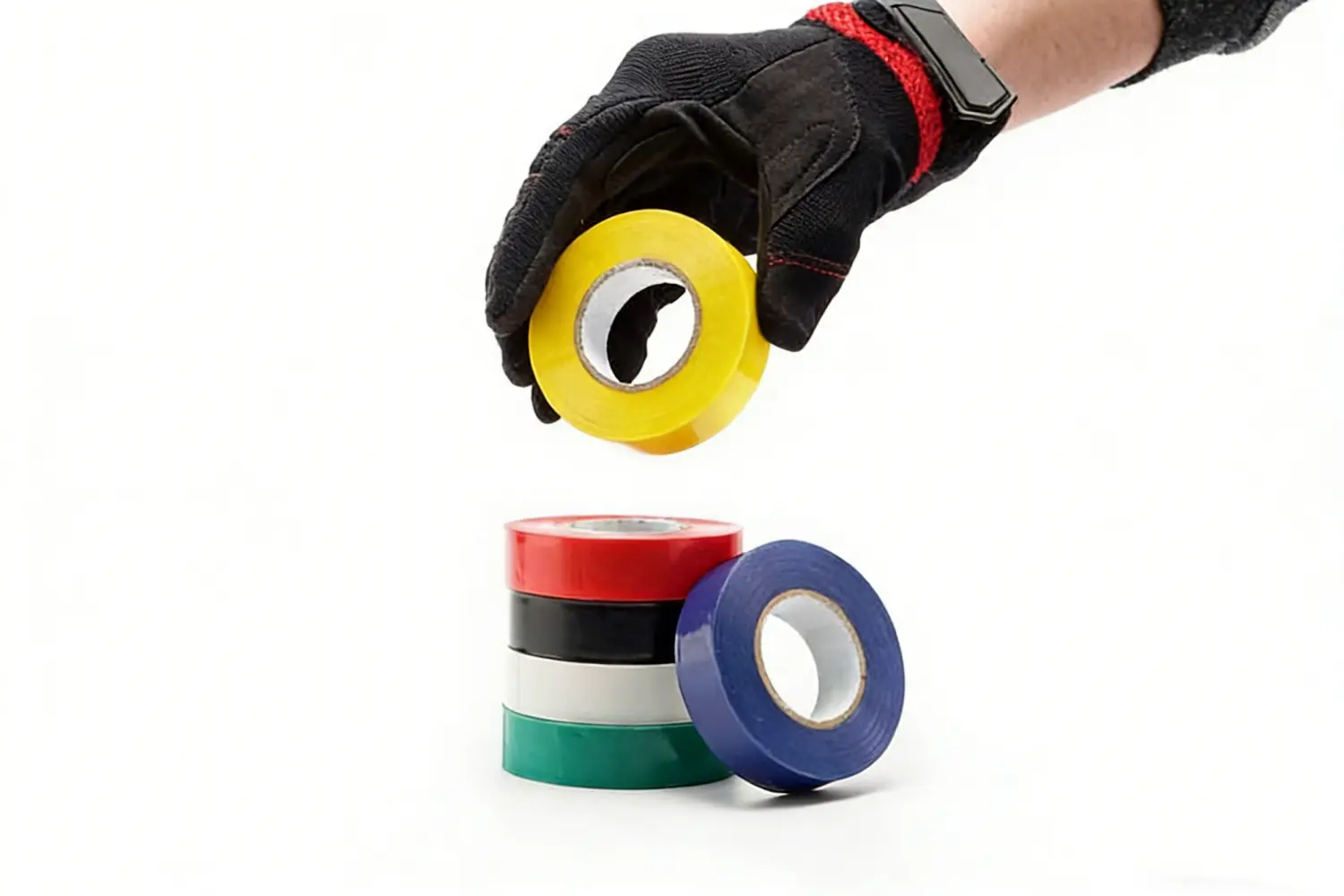
When it comes to electrical insulation, protection, and maintenance, choosing the right tape is crucial for ensuring safety and efficiency. Two of the most widely used tapes in the electrical industry are PVC insulation tape and self-fusing rubber tape. These tapes offer excellent electrical insulation, weather resistance, and durability, making them indispensable for electricians, contractors, and maintenance professionals.
What is PVC Insulation Tape?
PVC insulation tape is a versatile and durable tape used for insulating electrical wires and cables. It is made from polyvinyl chloride (PVC) material, which provides excellent resistance to moisture, abrasion, and corrosion.
Key Features of PVC Insulation Tape:
- Electrical Insulation: Provides reliable insulation for low and medium-voltage applications.
- Flame Retardant: Reduces fire hazards and enhances electrical safety.
- Weather-Resistant: Performs well in humid and outdoor environments.Color Coding: Available in multiple colors for wire identification and phase marking.
- Strong Adhesion: Adheres firmly to wires and cables for long-lasting protection.

Applications of PVC Insulation Tape:
- Wire Insulation & Repair: Used to insulate exposed wire joints and prevent short circuits.
- Cable Bundling & Organization: Helps secure and organize wiring harnesses.
- Electrical Phase Identification: Different colors help electricians identify wiring phases.
- Protective Wrapping: Shields electrical connections from moisture, dust, and mechanical damage.
What is Self-Fusing Rubber Tape?
Unlike PVC tape, self-fusing rubber tape (also known as self-amalgamating tape) does not have adhesive but fuses to itself when stretched and wrapped around an object. This creates a seamless, waterproof, and highly insulating barrier.
Key Features of Self-Fusing Rubber Tape:
- No Adhesive Residue: Bonds to itself without leaving sticky residue on surfaces.
- Superior Electrical Insulation: Withstands high voltage and extreme conditions.
- Excellent Water Resistance: Ideal for sealing and waterproofing electrical connections.
- High Temperature & Weather Resistance: Functions well in extreme heat, cold, and moisture.
- Flexible and Stretchable: Conforms easily to irregular shapes and tight spaces.
Applications of Self-Fusing Rubber Tape:
- High-Voltage Cable Insulation: Protects against arc flashes and electrical faults.
- Waterproofing Electrical Connections: Seals and protects outdoor electrical joints from moisture.
- Repairing Damaged Cable Jackets: Reinforces and restores insulation integrity.
- Hose and Pipe Sealing: Used in industrial applications to prevent leaks.
- Automotive and Marine Electrical Repairs: Provides durable insulation in harsh environments.
How to Choose Between PVC Insulation Tape and Self-Fusing Rubber Tape
| Feature | PVC Insulation Tape | Self-Fusing Rubber Tape |
|---|---|---|
| Adhesion | Adhesive backing for immediate bonding | Bonds to itself (no adhesive) through stretching |
| Electrical Insulation | Low to medium voltage (up to 600V) | High voltage (10kV+) and extreme conditions |
| Waterproofing | Limited resistance; suitable for dry environments | Seamless waterproof seal; submersible applications |
| Temperature Range | -20°C to 80°C | -40°C to 150°C |
If you need general insulation, color coding, and bundling, PVC insulation tape is the right choice. However, if your application involves high voltage, extreme weather conditions, or waterproofing, then self-fusing rubber tape is the superior option.
Final Thoughts
Both PVC insulation tape and self-fusing rubber tape play a critical role in electrical applications. Whether you’re an electrician, contractor, or technician, having the right tape in your toolkit can improve safety, efficiency, and durability in your electrical projects.
If you’re looking for high-quality PVC insulation tape and self-fusing rubber tape, we provide premium products designed for professional electrical applications. Contact us today to find the best tape for your needs!